Walk into any reputable botox clinic and you will notice two things right away. Most clients want natural results, not a frozen mask. And the best injectors spend more time talking than injecting. Botox treatment sounds simple, a few tiny shots, a smoother forehead, back to work by lunch. In practice, great outcomes come from careful planning, precise dosing, and a clear understanding of facial anatomy and how expressions age a face.
I have sat across from executives who only wanted their frown softened before earnings week, new parents looking less tired without looking “done,” and longtime aesthetic patients aiming to delay deeper creases without changing their signature smile. The right approach depends on your muscles, your goals, and your tolerance for movement. Below, I will walk through how to think about cosmetic botox therapy from first consultation to long-term maintenance, including botox safety, side effects, realistic timelines, and the small decisions that separate subtle botox from heavy-handed results.
What botox does and where it works best
Botox is a purified botulinum toxin type A. In cosmetic use, tiny doses relax overactive muscles by blocking acetylcholine release at the neuromuscular junction. The effect is temporary. It softens dynamic lines, the creases formed by repeated expressions like frowning, squinting, or raising the eyebrows. Think wrinkle botox for the glabella, those “11s” between the brows; forehead botox for horizontal lines; and crow feet botox for lines at the outer corners of the eyes. In these zones, botox injections predictably reduce muscle pull, which allows skin to lie flatter and light to reflect more evenly. The face looks smoother and often more rested.
Static lines, the etched-in creases visible at rest, respond variably. Early static lines often soften when the underlying muscle is relaxed, especially in the forehead and frown lines. Deeply engraved furrows may need a combined plan, botox to reduce ongoing folding and, later, a touch of hyaluronic acid filler or resurfacing to address the remaining indentation. A seasoned botox specialist will explain the distinction and set expectations for botox for fine lines versus fixed creases.
Medical botox uses the same active ingredient but targets functional problems such as migraines, excessive sweating, spasticity, bruxism, and temporomandibular joint pain. The dosing patterns and anatomical targets differ. If your goal is cosmetic botox for facial rejuvenation, make sure your botox provider is trained in aesthetic dosing and understands ideal vector control for the brow and periorbital area, where tiny shifts make or break a natural result.
What “natural” means in practice
Clients often ask for natural looking botox. To an injector, that means preserving the micro-expressions that make you, you. The forehead should still lift a little in surprise, the outer brow should not droop, and the smile should reach the eyes without heavy bunching. This balance depends on muscle strength and skull shape, which vary by person and ethnicity.
For the forehead, a light-to-moderate approach keeps some lift while smoothing lines. Treating only the horizontal lines can pull the brows downward if the frown complex is too strong, so combined treatment of glabella and frontalis in proportional doses usually ages better. For crow’s feet, placement matters more than volume. Too low or too deep risks a flattened cheek or smile disturbance. The injector’s finger placement during treatment doubles as a diagnostic tool, feeling for where the muscle contracts under the skin as you squint and smile. These details are hard to fake and separate certified botox injectors who do this daily from occasional dabblers.
“Baby botox” refers to smaller units per injection point. It is not a brand or a new product. Think of it as finer control for subtle botox smoothing, especially helpful for first-timers, preventative plans in younger clients, or areas that need movement preservation. Preventive botox aims to reduce repetitive folding before lines etch in deeply. It does not stop aging. It slows a specific, predictable mechanism of wrinkle formation.
Setting goals during the botox consultation
A proper botox consultation should feel collaborative. You describe what bothers you at rest and in motion. The injector watches you animate, noting asymmetries, muscle dominance, and brow position. The best providers also ask about lifestyle, there is a difference between a TV anchor who needs a specific brow expression and an ultramarathoner who squints through long outdoor runs.
Bring photos of your face when rested, smiling, and frowning, ideally in even daylight. Old photos can help map your natural brow shape and cheek support. If you had previous botox or filler, share dates, approximate botox dosage, and how long results lasted.
Most clinics photograph you before and after. Not to sell you more, but to calibrate. If 16 units in the glabella softened but did not fully relax your frown, the injector can adjust next time with precision. If 8 units in the forehead felt heavy after two weeks, they can lighten the central points or distribute differently to restore lift. Botox effectiveness is the product of dose and placement. The chart is your roadmap.
The botox procedure and what it actually feels like
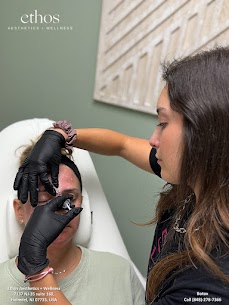
A standard botox appointment for the upper face takes 10 to 20 minutes. After a quick cleanse, your certified botox injector marks or mentally notes points. You will be asked to frown, raise your brows, and smile. The needle is tiny. Most describe the sensation as a small pinch with a quick sting. Ice or vibration devices help distract, but are usually not necessary.
A few practical notes from day-to-day experience. Skip heavy makeup that day. Avoid alcohol and high-intensity exercise 24 hours before, both increase bruising risk. If you bruise easily, consider arnica beforehand, though evidence is mixed. Blood thinners and fish oil raise bruise risk, do not stop prescription anticoagulants without medical guidance. If you are pregnant, breastfeeding, or planning either, postpone cosmetic botox injections until cleared by your physician. Safety data in these groups is limited, and reputable clinics err on the side of caution.
Dosing, units, and why numbers vary
Botox dosage is measured in units. Typical ranges for common areas, adjusted to muscle strength and gender identity, look like this. The glabella usually requires 12 to 24 units. The forehead often needs 6 to 16 units when paired with glabella treatment, more if the frontalis is broad and strong. Crow’s feet can range from 6 to 12 units per side. “Baby botox” approaches often use the lower end of these ranges, distributed in more micro-points.
Those numbers are not one-size-fits-all. A heavy frown complex or thick frontalis in a 6 foot 4 weightlifter will need more units than a fine-boned model with thin muscle bellies. Ethnic brow shapes differ, and aesthetic goals do too. It is common to need a touch more at visit two than visit one once the injector sees your real-world response at the 2-week mark.
The product brand matters as well. While “Botox” is a well known trade name, other botulinum toxin injections like Dysport, Xeomin, Jeuveau, and Daxxify exist. Units are not interchangeable between brands. An experienced injector understands unit equivalence and spread characteristics, and they will select a product based on your goals, prior response, and duration preferences. Asking about brand and lot tracking is part of safe botox treatment.
Timelines: onset, peak, longevity, and maintenance
Plan around three clocks. Onset is typically 2 to 4 days, when you first notice less movement. Peak effect arrives at about 10 to 14 days. If anything needs adjustment, that is the window to check in. Longevity averages 3 to 4 months for standard botox, sometimes as short as 8 to 10 weeks in very active individuals or expressive zones, and up to 5 to 6 months in select patients or with certain products and dosing strategies.
How long does botox last is not just a product question. Metabolism, muscle size, dose, and your expression habits all play a role. Sun squinting through a bright summer can shorten crow’s feet longevity. Heavy eyebrow lifters sometimes notice forehead movement returning earlier. Over time, repeat botox treatments can modestly lengthen duration because the muscle learns a quieter baseline. That said, most clients plan botox maintenance three to four times per year. A botox touch up may be appropriate at two weeks for uneven lift or a missed band, but is not a routine extra dose every time.
Safety profile and side effects, presented plainly
Botox cosmetic injections have a strong safety record when performed by trained professionals with FDA-approved product. The most common side effects include minor redness for 10 to 20 minutes, small bumps at injection points that flatten within an hour, and occasional pinpoint bruises. Headaches can occur in the first few days. Tylenol usually helps, but avoid blood thinning pain relievers, they can worsen bruising.
Unwanted outcomes are usually due to imbalanced dosing or imprecise placement. Continue reading A heavy forehead with dropped brows typically results from treating the frontalis without adequate glabellar relaxation or from placing points too low. Spock brow, an arched tail that looks cartoonish, comes from under-treating lateral forehead fibers relative to central points. Asymmetries can happen when baseline muscle strength is uneven. The good news, these issues resolve as botox wears off. Many can be tuned with a few carefully placed units as a corrective measure.
" width="560" height="315" style="border: none;" allowfullscreen="" >
True botox risks are rare but real. Eyelid ptosis happens when product diffuses to the levator palpebrae muscle. Careful technique reduces this risk significantly. If it occurs, prescription eyedrops may help for the few weeks it Holmdel botox persists. Flu-like symptoms are unusual but reported. Allergic reactions are rare. If you have a neuromuscular disorder, discuss candidacy in detail with your physician. For safety, avoid massage, saunas, or strenuous workouts for the first 24 hours. Do not rub or press the treated areas that day.
What “affordable” really means with botox cost
Pricing varies by region and clinic model. Some charge per unit, others per area. Per-unit pricing allows finer control when you need small adjustments, per-area pricing offers predictable totals but can over or under-treat if not tailored. The national average per-unit botox price often falls in the 10 to 20 USD range, with coastal metros trending higher. A typical upper-face treatment spanning glabella, forehead, and crow’s feet might use 30 to 60 units, which puts a normal botox cost in the several-hundred-dollar range.
Beware botox deals that look too good to be true. The botulinum toxin itself is expensive to purchase and store properly. Deeply discounted botox specials sometimes mean diluted product, rushed visits, or inexperienced injectors. Top rated botox clinics are transparent about sourcing and storage, they show you the vial and reconstitution process on request, and they document units administered. Trusted botox providers prioritize your outcome over squeezing extra units into a quota.
Choosing a provider: what to look for beyond the Instagram grid
You want a certified botox injector with a strong grasp of facial anatomy, a conservative aesthetic, and a plan that unfolds over months, not a single sitting. If all the before-and-after photos show an identical flat forehead and heavy brow, keep scrolling. Natural looking botox respects the individual.
During your botox appointment, watch for a few green flags. The injector asks you to animate repeatedly and palpates while you move. They discuss risks and how to contact them if you have concerns at day ten. They chart doses by point, not just totals. They decline injections that would harm balance, for example refusing forehead-only treatment when a strong glabella would pull brows down. They explain the difference between cosmetic botox therapy and fillers, and suggest a staged approach if you have static etched lines. That kind of judgment saves you from overcorrection.
Managing expectations: what changes, what does not
Botox for wrinkles has a straightforward job. It reduces muscle-induced folding. It does not lift skin meaningfully, fill volume deficits, or remove sun damage. If you expect an upper lid lift from forehead relaxation alone, you might be disappointed. However, carefully balanced frown line botox can create a small, pleasant brow opening by reducing downward pull. It is a nudge, not a surgical brow lift.
If you have fine crepe lines under the eye, lower lid skin often needs resurfacing or collagen-stimulating treatments. Crow feet botox will soften the lateral radiating lines, but if your skin is dehydrated or thinned by sun, you will still see texture. For smokers or former smokers, bar code lines around the mouth are not ideal for high-dose botox because the orbicularis muscle helps you speak and sip. Micro-doses can help, but combination therapy is standard.
Realistic before-and-after: a week in the life of a first-timer
On day one, you leave the botox clinic with tiny flats from saline, gone within an hour. That evening, your face feels normal. Day two or three, the frown softens. Day four to seven, the forehead looks smoother and the crow’s feet do not bunch as much when you grin. Colleagues say you look well rested without pinpointing why.
At day fourteen, you see the full botox results. If a central forehead line still faintly shows when you lift, your injector might add 2 to 4 units to those stubborn fibers, or suggest conservative laser later if the line is etched. If your brow feels a touch heavy, they may add a unit to the tail to free the lateral lift. At week eight, movement gradually returns. Around week twelve to sixteen, you are back near baseline. Many book the next botox appointment for week twelve to stay ahead, especially if presentation season, holidays, or photo events are on the calendar.
Special scenarios and edge cases that change the plan
Asymmetry is normal. Most of us raise one brow more strongly or squint harder on our dominant side. Custom dosing per side is routine. If you have a history of eyelid ptosis or hooded lids, plan higher forehead points and careful lateral support to avoid drop. If you wear contact lenses and tug your lids daily, be gentle the first 24 hours post-injection.
For athletes and hot yoga devotees, high heat and increased blood flow may shorten botox longevity somewhat. Plan maintenance more frequently or accept lighter movement in exchange for natural function between sessions. For performers and public speakers, it is safer to under-treat at first. Regain control of your signature expressions, then fine-tune.
Skin type matters. Thicker, sebaceous skin often camouflages mild lines even without injectables, but once etched, those lines can be stubborn. Thinner, delicate skin shows improvement quickly with a modest dose but needs vigilant sun protection to maintain gains. Melanin-rich skin ages differently, usually with fewer fine lines and more volume or pigment concerns, which shifts the mix toward conservative botox with complementary skincare rather than chasing every faint crease.
Aftercare that actually helps
Keep it simple on day one. Stay upright for four hours, avoid strenuous exercise until the next day, skip saunas and hot tubs, and do not massage the treated areas. Makeup is fine after an hour, but use a light hand. Hydrate well. Good skincare supports good outcomes, sunscreen daily, a retinoid at night if your skin tolerates it, and a moisturizer that suits your skin type. These do not replace botox, but they help skin reflect light better, which enhances smoothing.
If you bruise, a dab of arnica or vitamin K cream may speed resolution a bit, though the evidence is mixed. Most bruises clear within a week. If anything looks uneven after two weeks, send clear, natural-light photos with relaxed and animated expressions to your botox provider. Targeted corrections work best with good visuals.
What a long-term plan looks like
Think seasons, not days. Year one might involve three or four botox facial treatments as you and your injector calibrate ideal dosing and spacing. Years two and three often settle into a predictable rhythm. Over time, many clients require slightly fewer units for the same effect. Some shift areas, for example maintaining the frown and crow’s feet regularly while treating the forehead less often to preserve lift.
Combination care matters. For deep static furrows, consider resurfacing or micro-needling between botox cycles. For volume-related shadows, a small filler correction might do more than more botox units. For skin quality, topical retinoids, vitamin C, and diligent sun protection pay compounding dividends. When clients commit to a sensible routine, botox longevity feels better because the overall canvas improves.
When to skip or delay botox
If you have a major life event in three days and have never tried botox, wait. You need the two-week window to assess and adjust. If you are actively fighting a sinus infection or dental abscess, resolve that first. If you are pregnant, nursing, or planning either soon, hold off unless your physician advises otherwise. If you are considering a brow lift or upper blepharoplasty in the coming months, coordinate timing. Surgeons often like muscles in their natural state for preoperative planning, then botox can refine outcomes after healing.
A brief comparator: botox vs. filler vs. energy devices
Botox reduces muscle pull. Filler restores volume or softens etched lines by lifting the skin internally. Energy devices resurface skin, stimulate collagen, or tighten mild laxity. Many great results come from a light mix. For forehead lines that persist at rest, a conservative botox dose plus fractional resurfacing beats cranking more units that would freeze your lift. For crow’s feet with hollowing, a tiny lateral cheek filler bolus can support the skin while botox calms the squint. A good clinic will map these in stages, never stacking too many variables at once.
A short checklist for choosing and planning
- Clarify your top two goals in plain language, for example, soften the “11s,” keep some forehead movement. Review your medical history and prior injectables, including dates and doses if known. Ask your injector how they dose the glabella and forehead together to preserve brow position. Book with enough runway for peak effect and any touch up, ideally two weeks before events. Take standardized photos at rest and with expression before each visit for honest comparison.
What satisfaction looks like at three months
Clients who are happiest with botox cosmetic treatment share a few themes. They selected a trusted botox provider who communicated clearly. They accepted that botox injection therapy is more like tailoring than a one-and-done purchase. They understood that small, well-placed doses beat high totals in the wrong spots. Their friends say they look rested. Their selfies do not need a smoothing filter. And their face still feels like theirs.
If you head into your first or next botox cosmetic procedure with clear goals, patience for the two-week tune, and a willingness to maintain results on a reasonable schedule, you will very likely see the balanced, subtle improvement most people want. Lines soften, expressions look more open, and the face reads as energetic rather than altered. That is the promise of professional botox injections done well, not erasing character, just easing the parts age etched a little too sharply.
Practical Q&A from the treatment room
How long does botox last for forehead lines? Expect about three to four months on average. If your frontalis is strong or you do frequent high-intensity training, it may be closer to ten to twelve weeks at lighter doses.
Can I do just forehead botox? You can, but many foreheads will feel heavy without addressing the frown complex. A competent injector will evaluate and explain whether forehead-only risks a brow drop for you.
What if I want minimal movement change? Ask for baby botox with micro-doses and more injection points. Plan to reassess at two weeks and accept that fewer units may mean shorter longevity.
Is there downtime? Botox recovery is minimal. Most return to work immediately. Skip heavy workouts for a day to reduce bruising and migration risk.
What if I see a small line left at rest? If the line is shallow, a few more units or time can smooth it. If it is etched, consider laser or microneedling later. Botox reduces the driver of the crease, but it does not resurface the skin.
Final thoughts grounded in practice
Cosmetic botox is a precise tool. It is neither a cure-all nor a risky gamble when used by a skilled, certified injector. The art lies in reading your face, matching dose to muscle, and pacing change so the result supports your life rather than announcing itself. Ask questions, insist on a thoughtful botox consultation, and give the process those two weeks to unfold. With that approach, you will understand why, after decades of use, botox remains the most reliable wrinkle reduction option for expression lines and a cornerstone of modern, subtle facial rejuvenation.